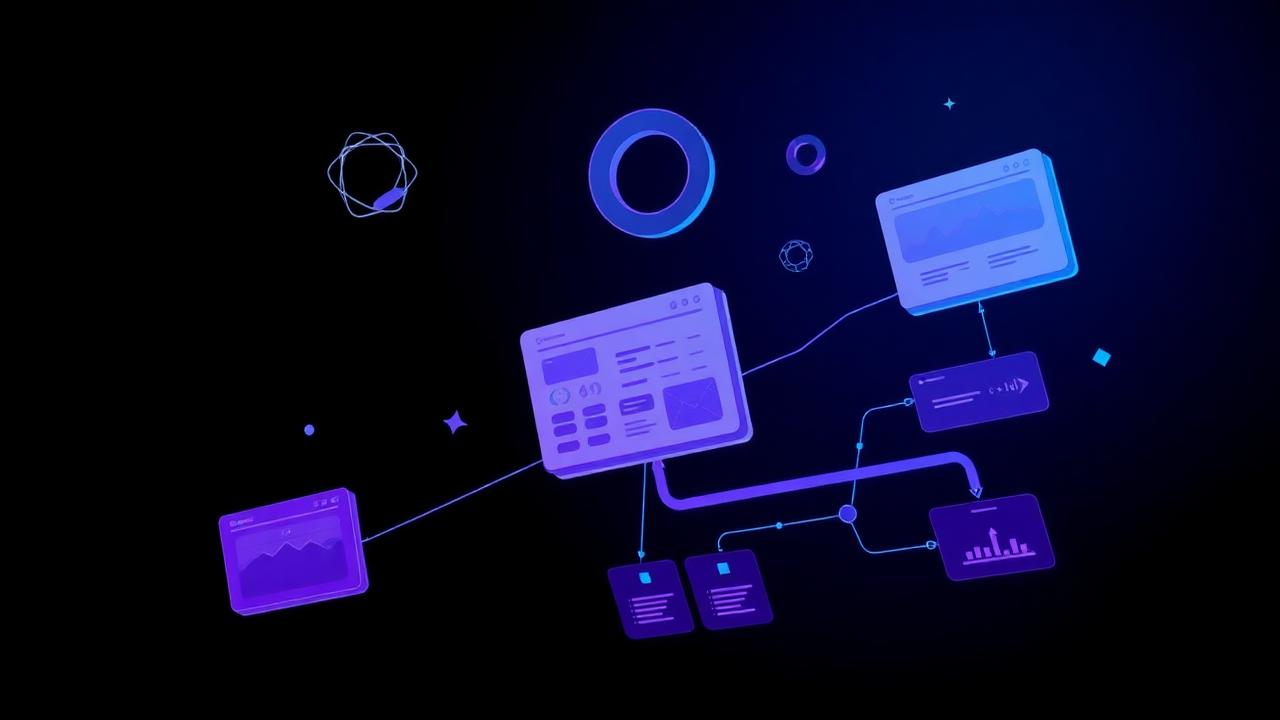
Anthropic just dropped something that made a lot of people in the design world nervous - and gave everyone else a serious competitive advantage. On April 17, 2026, they launched Claude Design, a brand new product that lets you describe what you want and get back a fully designed prototype, pitch deck, mockup, or one-pager. No Figma. No designer required. No waiting.
This isn't a template picker or a drag-and-drop generator. It's a conversational design tool powered by Claude Opus 4.7 - Anthropic's most capable vision model - and it's already compressing week-long design cycles into a single afternoon for early users. Here's what it is, what it can actually do, and why it matters for your business right now.
What Is Claude Design?
Claude Design is a new product from Anthropic Labs - the experimental arm of Anthropic, the company behind Claude AI. It launched on April 17, 2026 as a research preview for Claude Pro, Max, Team, and Enterprise subscribers.
The core workflow is simple: you describe what you need, and Claude generates a working visual on a canvas in real time. From there, you refine it through conversation - ask for a color change, a different layout, a dark mode toggle - or make edits directly inline. You can also adjust spacing, colors, and typography using custom sliders that Claude builds on the fly for your specific design.
It's built for people who have an idea but not a design background. Founders who need a pitch deck by tomorrow. Product managers who need to show a feature flow before the design team gets involved. Marketers who need a landing page mockup without spinning up a contractor. Claude Design gives all of them a way to produce polished visual work without a single Figma shortcut.
What Can It Actually Build?
The use cases Anthropic is positioning around are broad, and early user reports back them up:
- Pitch decks and presentations. Go from a rough outline to a complete, on-brand deck in minutes. Export as PPTX or push directly to Canva for final polish.
- Product wireframes and mockups. Brilliant reported that pages requiring 20+ prompts in competing AI tools needed only 2 prompts in Claude Design - and they turned static mockups into interactive prototypes without code reviews.
- Interactive prototypes. Datadog's product team described compressing a week-long cycle of briefs, mockups, and review rounds into a single Claude Design conversation.
- Marketing collateral. One-pagers, social assets, landing page designs, and campaign visuals - all from a text prompt.
- Design explorations. Generate 10 concepts in the time it used to take to build one in Figma, then commit to a direction for polish.
The Brand System Feature Is the Real Power Move
Here's the part that makes Claude Design more than a novelty: during onboarding, Claude reads your codebase and design files to build a design system for your team. That means every project it generates automatically uses your brand's colors, typography, and component patterns. You don't have to brief Claude on your brand every time - it already knows.
Teams can maintain more than one design system and refine them over time. For businesses that have struggled to maintain brand consistency across content, proposals, and marketing materials - especially as teams scale - this is a significant shift.
It also means that when Clixo AI builds automation systems for clients that include client-facing outputs (reports, summaries, lead notifications, landing pages), the design layer can now be consistent and on-brand without a designer in the loop.
How It Connects to the Broader AI Stack
Claude Design doesn't live in isolation - it's designed to plug into the tools you're already using.
Finished a prototype and ready to build? Claude packages everything into a handoff bundle and passes it to Claude Code with a single instruction. The design intent, layout, and components travel with it. No re-briefing the developer (or the AI). We unpack this shift in how Claude and LLMs are changing workflow automation.
Need to refine or publish in Canva? Claude Design exports directly to Canva, where your design becomes fully editable and collaborative the moment it lands. Anthropic built this partnership specifically so the tool complements rather than replaces existing design workflows.
Exports also include PDF, PPTX, standalone HTML, and internal shareable URLs - so the output lands wherever it needs to go. For agencies and automation-forward businesses, this is where it gets interesting. Automated outreach and CRM workflows already handle the lead capture and follow-up side. Now there's an AI-native way to produce the proposals, mockups, and one-pagers that go alongside those systems - without expanding your team.
What This Means for Business Owners Right Now
The honest framing here is this: Claude Design is in research preview, which means it's not finished. Anthropic is intentionally leaving it in early access to let user feedback shape the product. Collaboration is still basic. The editing experience has some rough edges. Enterprise admins have to turn it on manually since it's off by default.
But the trajectory is clear. Anthropic is building toward a complete workflow - from idea to design to code to deployment - all within a single AI system. Claude Design is the design layer in that stack, and it's already showing real results for early users.
For business owners who have been relying on freelancers, agencies, or internal design teams for every visual asset, this changes the math. The turnaround time and cost of producing a pitch deck, a landing page mockup, or a product one-pager is about to drop dramatically. The teams that get comfortable with these tools now will have a production advantage that only widens as the technology matures. We break down how to measure that advantage in calculating the real ROI of business automation.
At Clixo AI, we build the automation infrastructure that runs in the background - voice agents, outreach pipelines, CRM workflows. Claude Design is a sign of what the AI layer above that infrastructure is becoming. A tool that doesn't just respond, but creates.
Availability
Claude Design is currently available as a research preview for:
- Claude Pro plan
- Claude Max plan
- Claude Team plan
- Claude Enterprise plan (disabled by default - admins must enable it)
Usage limits for Claude Design are separate from your existing Claude chat and Claude Code quotas.
Ready to Automate Your Business Workflows?
Claude Design is one piece of a much larger AI shift - and the businesses that move early on these tools will set the pace for their industries. At Clixo AI, we help businesses build and manage the AI systems that handle the work: lead generation, outbound calling, CRM automation, and more. If you're ready to see what's actually possible for your operation, book a free 30-minute call and we'll map out exactly what makes sense for your business.