How Automation Helps Businesses Deliver Better Customer Experiences

In today’s market, customer experience is everything. It’s what separates the brands people forget from the ones they rave about. But as businesses grow, maintaining that level of attention, personalization, and consistency becomes harder—unless automation steps in.
The goal of automation isn’t to replace human connection—it’s to enhance it. Done right, automation helps businesses deliver faster responses, smoother onboarding, and personalized experiences that make customers feel valued at every stage.
How to Use Automation to Stay Consistent Even When You’re Busy
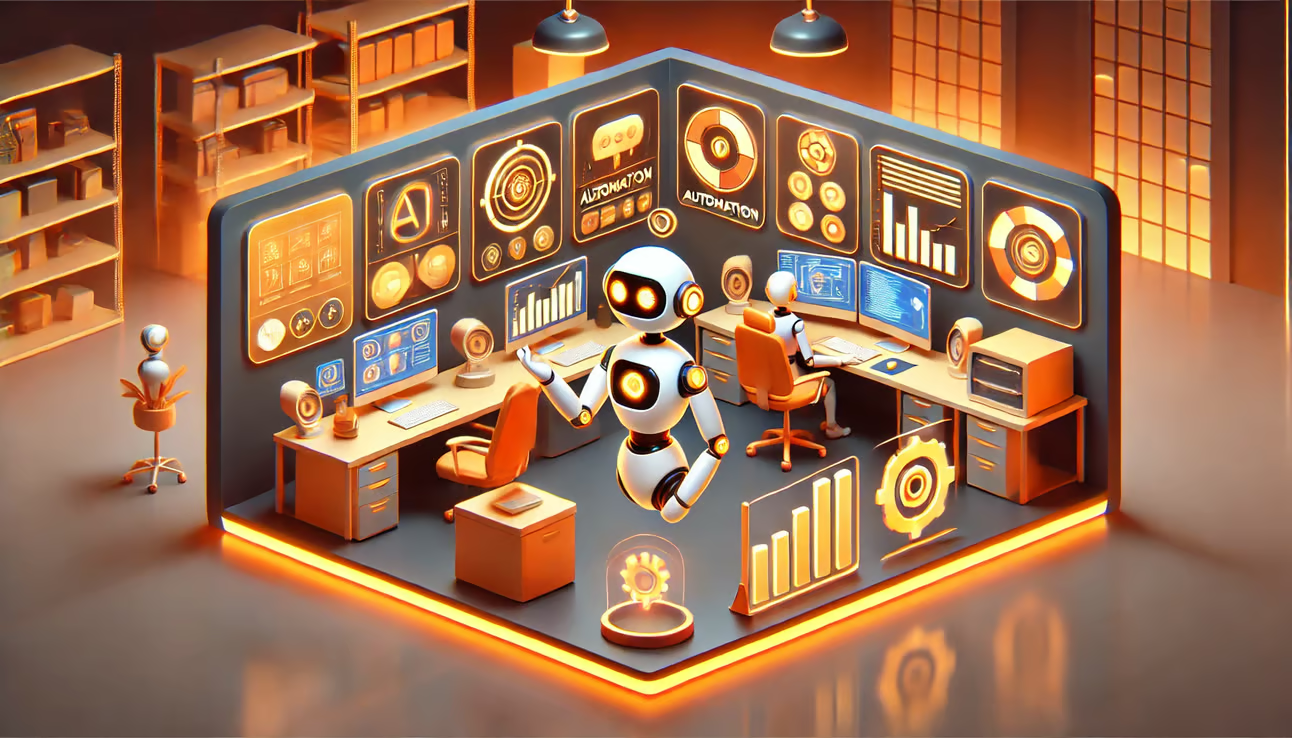
Consistency is the key to growth—but when your calendar fills up, it’s often the first thing to slip. Missed follow-ups, forgotten posts, delayed emails… it all adds up.
The truth is, staying consistent doesn’t mean doing everything yourself—it means building systems that do it for you. That’s where automation comes in. When set up correctly, automation keeps your business showing up, even when you can’t.
How to Automate Your Client Follow-Up Without Losing the Personal Touch

Menu Clixo About Blog Contact Tips How to Automate Your Client Follow-Up Without Losing the Personal Touch Follow-up is where deals are won—or lost. But when your calendar fills up, leads pile in, and clients start stacking, staying on top of every interaction gets harder. That’s where automation steps in—but many business owners hesitate to […]
How to Build an Efficient Client Onboarding System With Automation

First impressions matter—and in business, that means your client onboarding process. If it’s clunky, slow, or inconsistent, you risk losing trust before you even get started. On the flip side, a smooth and professional onboarding experience sets the tone for a successful working relationship.
The best part? You don’t need a large team to deliver it. With the right automation tools, you can create a client onboarding system that’s seamless, scalable, and personalized—without adding to your workload.
What a One-Person Team Can Do With the Right Automations in Place
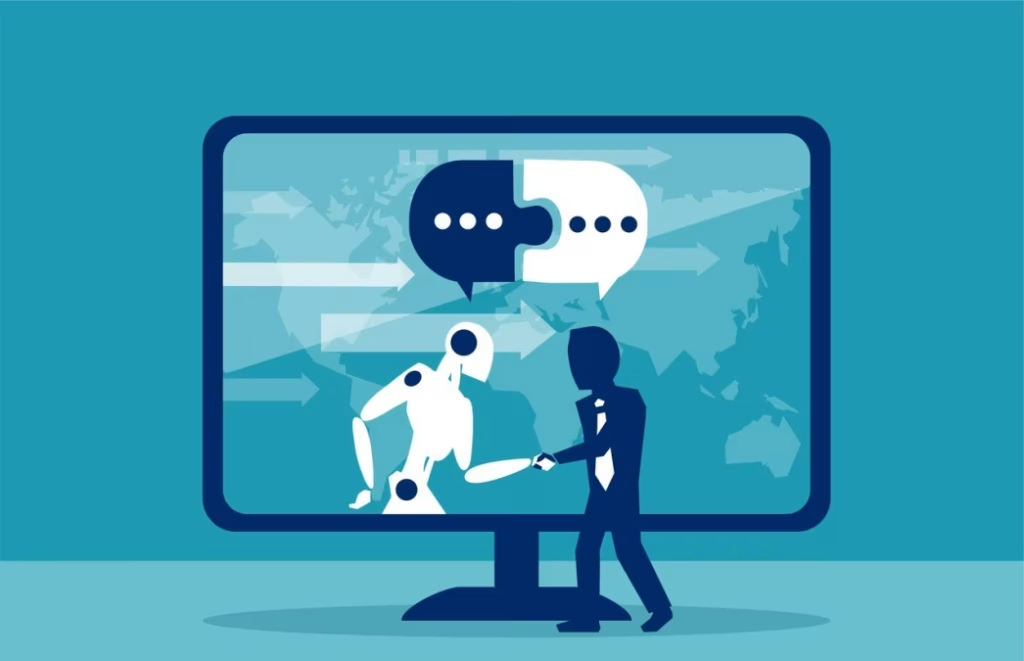
Running a business solo doesn’t mean doing everything manually—it means doing everything smarter. Today, one-person teams are launching, scaling, and competing with full-scale companies thanks to one thing: automation.
How to Identify the Best Tasks in Your Business to Automate First

Automation is one of the most powerful ways to increase efficiency, cut costs, and create more time for strategic work. But if you’re just getting started, it’s easy to feel overwhelmed. With so many moving parts in your business, how do you know which tasks to automate first?
How Automation Helps Businesses Deliver Better Customer Experiences

Customer expectations are at an all-time high. People want fast responses, personalized service, and seamless interactions—every time. For businesses, this creates pressure to stay consistent across every touchpoint, without overwhelming internal teams.
Why Businesses Should Automate Lead Nurturing to Boost Conversions

Generating leads is only half the battle—turning those leads into paying customers is where the real challenge begins. Many businesses struggle with lead conversion due to slow follow-ups, inconsistent communication, and lack of personalization.
That’s where lead nurturing automation comes in. By automating how businesses engage with potential customers, companies can increase conversion rates, save time, and build stronger relationships with leads—without manual effort.
Let’s explore why lead nurturing automation is essential and how it can transform the way businesses convert leads into long-term customers.
From Leads to Clients: How Automation Ensures No Opportunity Slips Away

Generating leads is only the first step in growing a business. The real challenge? Converting those leads into paying clients. Too often, businesses lose potential customers due to slow follow-ups, disorganized lead tracking, and inconsistent outreach.
How Businesses Can Use Automation to Save Time and Scale Faster

Running a business means juggling multiple responsibilities—client management, sales, marketing, finances, and operations. But as businesses grow, manual tasks can slow down progress, leading to inefficiencies, missed opportunities, and increased costs.