Two years ago, AI voice agents were a novelty. Today they answer inbound calls for clinics, home service companies, real estate brokerages and agencies - picking up on the first ring, at 8pm on a Sunday, every time.
The shift happened because three pieces of the stack matured at the same time: low-latency speech models, capable LLMs (covered in our LLM workflow piece), and reliable telephony APIs. Stitch them together correctly and you get an agent that sounds natural, follows your call flow intelligently and updates your CRM in real time.
What an Inbound AI Voice Agent Actually Does
- Answers inbound calls 24/7 with sub-second response times
- Answers common questions about services, hours, pricing and location
- Qualifies callers using a structured-but-flexible conversation flow
- Books appointments directly into your calendar
- Logs the full transcript and a structured summary into your CRM
- Transfers urgent or high-value calls to a person with full context attached
Why Inbound Is Where Most Businesses Should Start
Inbound agents are about speed and consistency. The win is never missing a call, qualifying every caller the same way and handing off to people only when it's worth their time. For service businesses where 40-60% of inbound calls go to voicemail, this single change is often the highest-ROI automation in the company. We break down the numbers in the real cost of missed calls.
Inbound callers already want something from you. There is no list quality problem, no consent question and no script testing needed to get results. The agent's only job is to be available and helpful.
The Inbound KPIs That Matter
- Answer rate. The share of calls picked up live. The target is 100%.
- Booking rate. The share of qualified callers who leave with an appointment.
- Transfer rate. How often calls need a person. Too high means the agent needs more knowledge.
- After-hours bookings. Appointments that would have gone to voicemail before.
The Architecture We Use
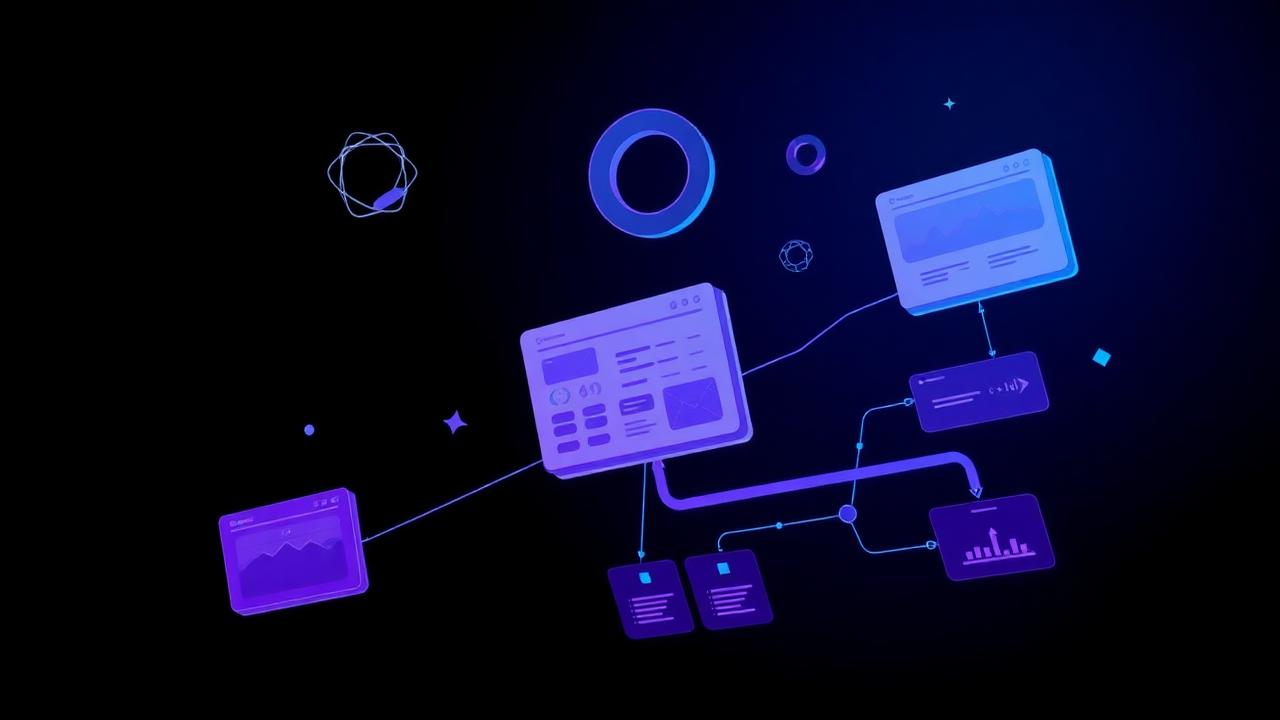
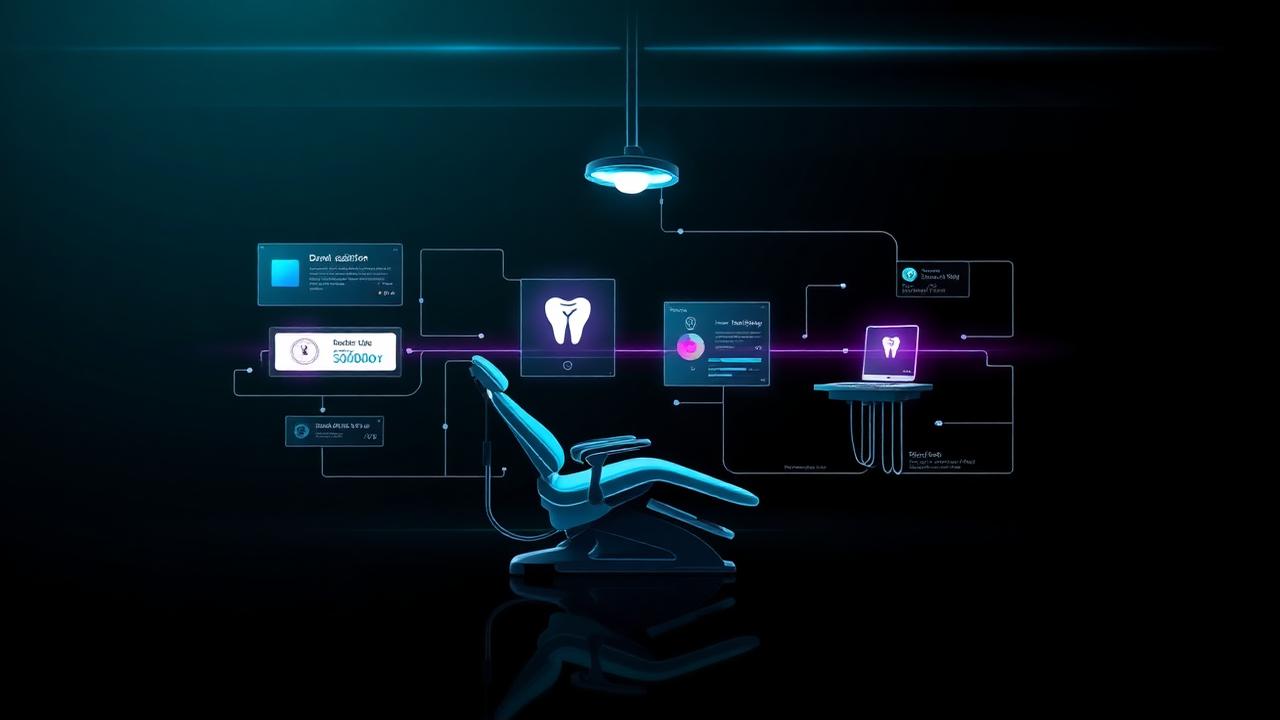
Every voice agent we build sits inside the same broader ecosystem we describe in building scalable automation ecosystems with n8n and AI. A telephony provider handles the call, a speech model handles transcription and synthesis, an LLM handles reasoning, and n8n handles every downstream action - calendar, CRM, Slack notifications and follow-up messages.
Where Inbound Voice Agents Make the Biggest Impact
Any business where calls arrive outside staffed hours or in bursts: clinics, plumbers and home services, med spas and real estate. For all of them, answering the phone is usually the first automation we ship.
Common Mistakes
- Trying to handle every call type on day one. Start with the top three reasons people call; expand from there.
- No CRM hand-off. If staff don't get a clean summary, the agent's value evaporates.
- Latency. Anything over ~700ms feels robotic. The stack matters.
- No guardrails. The agent should know when to transfer, when to take a message and what it cannot say.
What About Outbound?
Outbound calling is a different build with different rules, from consent to list quality. We cover it separately in our guide to AI outbound calling.
Is It Worth It?
For most service businesses taking more than 100 inbound calls a month, the payback period is under 60 days. See what an AI receptionist costs and how we build AI receptionists for small businesses. If you'd like a quick assessment of where an inbound voice agent fits in your operation, book a call.