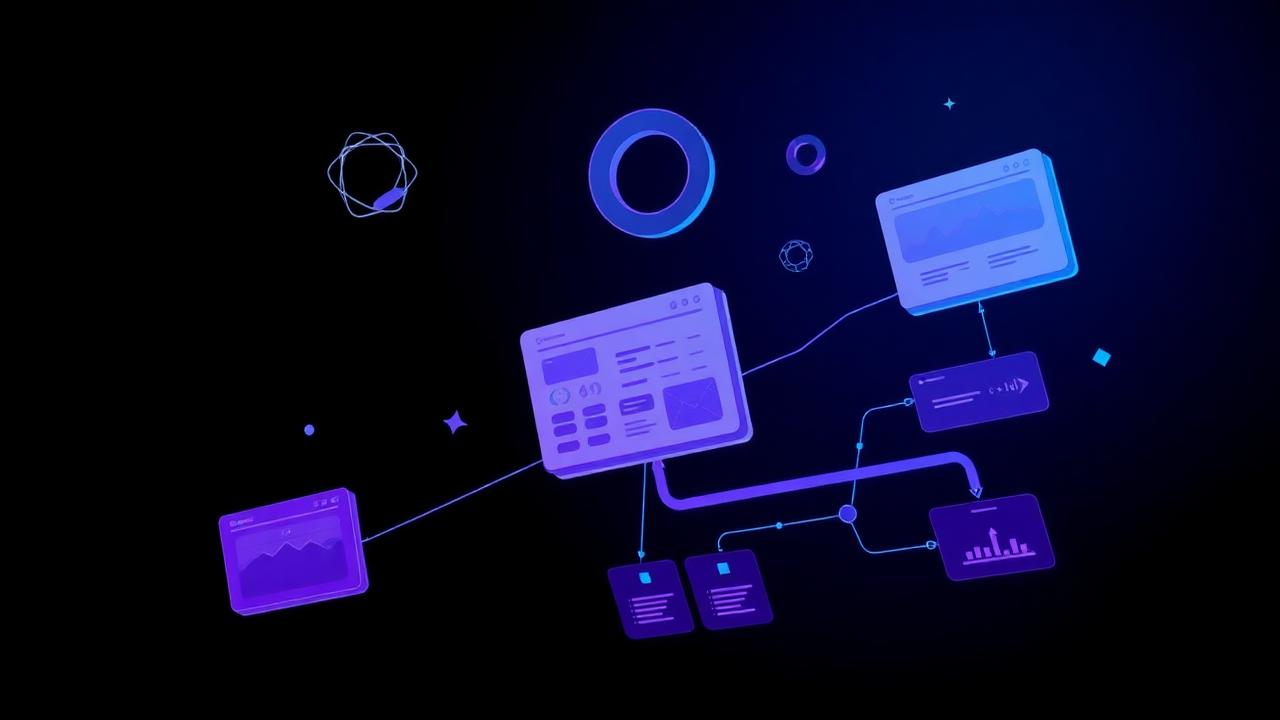
Every Clixo engagement starts with the same thing: a structured automation audit. Not a sales pitch dressed up as a discovery call - a real, hour-by-hour walk through your operations to find where time, money, and momentum are leaking.
Here's how we run it, and how to run a basic version of it yourself.
Step 1: Map the Workflows That Already Exist
Most teams have no documented inventory of how work actually flows. The audit starts by listing every recurring process: lead intake, onboarding, reporting, billing, support, internal comms. For each one, we capture trigger, steps, owner, frequency, and tools involved.
Step 2: Quantify the Cost of Each Workflow
For each process, estimate volume × time × loaded hourly cost. Most teams are shocked by what they find - a process that "only takes 10 minutes" might be costing $40k a year. We dive deeper into this math in calculating the real ROI of business automation.
Step 3: Identify the Bottlenecks and Failure Points
- Where does work sit waiting for someone?
- Where do mistakes happen most often?
- Where is data being copied between systems?
- Where do customers experience delays?
Step 4: Score Each Workflow for Automation Fit
Not every process is a good fit. We score each one on volume, structure, decision complexity, and downstream impact. High-volume, structured, high-impact processes go to the top of the list. Low-volume, high-judgment processes stay manual.
Step 5: Build the Roadmap
The output of the audit is a prioritized roadmap - usually 6–12 candidate workflows, ranked by payback period. The first 1–3 typically pay for the entire engagement, and the rest compound from there. The implementation pattern follows the architecture we describe in building scalable automation ecosystems with n8n and AI.
Common Hidden Inefficiencies We Find
- Inbound calls going to voicemail (fix: AI voice agents)
- Manual CRM data entry (fix: tighter CRM integration)
- Reporting compiled by hand each month
- Onboarding sequences run from someone's head
- Lead qualification done by senior staff (fix: LLM-powered qualification)
DIY vs Professional Audit
You can absolutely run a version of this internally. The advantage of a professional audit is pattern recognition - we've seen the same bottlenecks across hundreds of operations and can usually point at the highest-leverage fixes within the first conversation. If you'd like us to run one for you, book a free 30-minute call and we'll come prepared.